.png)
CyberArk License Management Guide 2026: Vault Licensing, Monitoring, User Types & PSM RDS CAL Explained
Complete CyberArk licensing guide covering Vault license management, DBParm.ini monitoring, license usage reports, user types, License.xml deployment, and Microsoft RDS licensing for PSM with enterprise best practices.
CyberArk Privileged Access Management (PAM) is built around a tightly controlled licensing model that governs how organizations secure privileged accounts, sessions, applications, and secrets within the Digital Vault. Unlike traditional software licensing, CyberArk licensing is deeply integrated into Vault architecture, user types, session components, and even external dependencies such as Microsoft Remote Desktop Services (RDS) for Privileged Session Manager (PSM).
In enterprise environments, improper license planning can lead to service disruption, failed user onboarding, or compliance risks. Therefore, understanding how CyberArk licensing works is not optional—it is a core administrative responsibility.
This guide provides a complete, production-grade explanation of CyberArk licensing, including monitoring, configuration, API-based tracking, user types, license installation, and RDS requirements for PSM sessions.
CyberArk Vault licensing defines how many entities can exist and operate inside the Vault environment. These entities include:
▣ Number of privileged users
▣ Number of safes and stored credentials
▣ Number of applications and CPM-managed accounts
▣ Component usage like PSM, CPM, PVWA, and AIM
Each license file (License.xml) is bound to the Vault environment and controls operational limits.
The license is enforced at Vault level and cannot be bypassed without administrative intervention.
CyberArk licensing is not just about users—it is a multi-dimensional consumption model.
It governs:
▣ User types (EPVUser, PSMUser, CPM, etc.)
▣ Component usage (PSM sessions, CPM rotations)
▣ Application connections (AIM, AppProvider)
▣ Session-based consumption
▣ Safe membership and access roles
Each user type consumes license differently depending on activity and interface usage.
CyberArk defines multiple user license categories. Each category corresponds to a functional role within the PAM ecosystem.
EPVUser
Represents end users accessing Vault via PVWA or PrivateArk Client.
PSMUser
Users who initiate privileged sessions through PSM components.
CPM
Used by Central Policy Manager for password rotation and reconciliation.
PVWA User
Web-based interface users accessing CyberArk through browser.
AppProvider
Used for Application Identity Manager (AIM) integrations.
ENE
Event Notification Engine user type.
OPMProvider
One-Time Password management component users.
License consumption occurs when:
▣ A user logs into PVWA or PrivateArk Client
▣ A session is initiated via PSM
▣ A user is added to a Safe
▣ A component authenticates to Vault
This means licensing is both session-based and identity-based.
CyberArk provides strict limits per license file.
A typical license includes:
▣ Maximum number of users per type
▣ Maximum applications allowed
▣ Maximum concurrent sessions
▣ Component-specific quotas
Once the limit is reached, new user creation or session initiation may fail.
If your license includes:
▣ EPVUser = 50
▣ PSMUser = 30
Then:
Adding the 51st EPV user will trigger alerts or failure
Starting a session beyond PSM limit may be blocked
CyberArk provides multiple mechanisms to monitor license consumption.
1. DBParm.ini Monitoring
License alert thresholds are defined using:
LicenseUsageAlertLevel=85,90,99
What this means:
▣ 85% → Warning notification
▣ 90% → Critical warning
▣ 99% → Severe alert on every new user
At 99%, every new user addition triggers continuous notifications.
These alerts are logged in ITALog and sent to configured recipients.
2. Vault Notifications
Vault automatically sends:
▣ Email alerts
▣ System notifications
▣ Administrative warnings
Starting one week before license expiry, daily alerts are triggered.
3. License Capacity Report
The License Capacity Report provides a detailed breakdown of:
▣ Used licenses per user type
▣ Total available licenses
▣ Component-wise usage
How to access:
PrivateArk Client → Tools → Reports → License Capacity Report
CyberArk allows license updates without reinstalling the Vault.
Method 1: Via PrivateArk Client
▣ Login as Vault Administrator
▣ Access System Safe
▣ Retrieve existing License.xml
▣ Upload new License.xml into System Safe root
The Vault automatically detects and applies the new license.
Method 2: Manual File Replacement
On Vault server:
▣ Navigate to:
:\Program Files (x86)\PrivateArk\Server\Conf
▣ Replace license.xml
▣ Restart Vault service
DR Vault
▣ Copy license file
▣ No restart required
Cluster Vault
▣ Update passive node first
▣ Then active node
▣ Perform failover if required
CyberArk supports license replacement without service interruption via System Safe update.
CyberArk also provides REST APIs for license monitoring.
Endpoint
GET https://.privilegecloud.cyberark.cloud/PasswordVault/API/licenses/pcloud/
Example Response
{
  "componentName": "Privilege Cloud",
  "optionalSummary": {
    "name": "License consumption",
    "used": "1",
    "total": "170"
  }
}
Required Roles
▣ Privilege Cloud Administrator
▣ Basic Administrator
▣ Lite Administrator
▣ Automating license monitoring dashboards
▣ Integration with SIEM tools
▣ Compliance reporting
CyberArk assigns internal IDs to system components.
| User Type | ID |
|---|---|
| EPVUser | 34 |
| CPM | 31 |
| PVWA | 32 |
| PSM | 36 |
| AppProvider | 33 |
| ENE | 11 |
| AIMAccount | 35 |
These IDs help in internal license tracking and auditing.
User management directly impacts license consumption.
▣ Users inherit permissions from groups
▣ Safe membership affects visibility
▣ LDAP users can consume licenses dynamically
DBParm.ini:Combines all permissions across groups.
Uses permissions from first assigned group.
Important Rule
If a user belongs to multiple groups, license usage depends on:
▣ Group membership
▣ Safe ownership
▣ Individual permissions
CyberArk PSM uses Microsoft Remote Desktop Services (RDS) for session brokering.
This introduces a critical licensing dependency.
Per User CAL
▣ Assigned to individual users
▣ Best for enterprise identity-based access
▣ Recommended for CyberArk EPV/EXT users
Per Device CAL
▣ Assigned to devices
▣ Better for shared workstation environments
When a user initiates a PSM session:
▣ User connects via mstsc.exe
▣ Session is routed through PSM server
▣ RDS CAL is consumed by initiating user
Example:
User: j.smith
Privileged account: root_admin
License consumed: j.smith (not root_admin)
These accounts may also consume RDS CALs depending on session type.
| Version | Supported CAL |
|---|---|
| 2016 | Yes |
| 2019 | Yes |
| 2022 | Yes |
CyberArk recommends:
▣ 1 Per User RDS CAL per EPV/EXT user
▣ Track licensing via RDS License Server
▣ Ensure domain-based accounts for Windows 2019/2022
Local user-based RDS licensing is restricted.
▣ Use domain accounts for compliance
▣ Avoid local user dependency in PSM deployments
▣ Monitor license usage weekly
▣ Set DBParm.ini thresholds proactively
▣ Automate license API reporting
▣ Maintain buffer capacity (10–20%)
▣ Track RDS CALs separately for PSM
▣ Ignoring PSM RDS dependency
▣ Overlooking group-based license consumption
▣ Not monitoring DBParm alerts
▣ Misinterpreting EPV vs PSM licensing
▣ Using outdated License.xml
▣ Check ITALog for alerts
▣ Validate License.xml location
▣ Verify Vault restart after update
▣ Review License Capacity Report
▣ Confirm RDS CAL allocation
Q1: Can CyberArk license be shared across environments?
No, each Vault requires a unique License.xml.
Q2: Does PSM require separate licensing?
Yes, both CyberArk and Microsoft RDS licensing apply.
Q3: Where is license usage stored?
Inside Vault metadata and ITALog system logs.
Q4: Can license be updated without downtime?
Yes, via System Safe replacement method.
CyberArk licensing is a multi-layered control system that governs users, sessions, and infrastructure components across the PAM ecosystem. Proper understanding of License.xml management, DBParm.ini monitoring, user type consumption, and RDS dependencies is essential for maintaining a stable and compliant CyberArk deployment.
Organizations that proactively monitor license usage and align RDS licensing with PSM architecture significantly reduce operational risks and avoid unexpected service interruptions.
▣ CyberArk Full Training Course
▣ CyberArk Privilege Cloud Training
▣ CyberArk Vault Server Components Guide
▣ CyberArk Primary-DR Architecture
▣ Service Accounts in CyberArk PAM
▣ CyberArk Vault Cluster Architecture
▣ PSM HTML5 Gateway Guide
▣ PSM Connectors Complete Guide
▣ CPM Plugins Guide
▣ PVWA Complete Guide
Your email address will not be published. Required fields are marked*
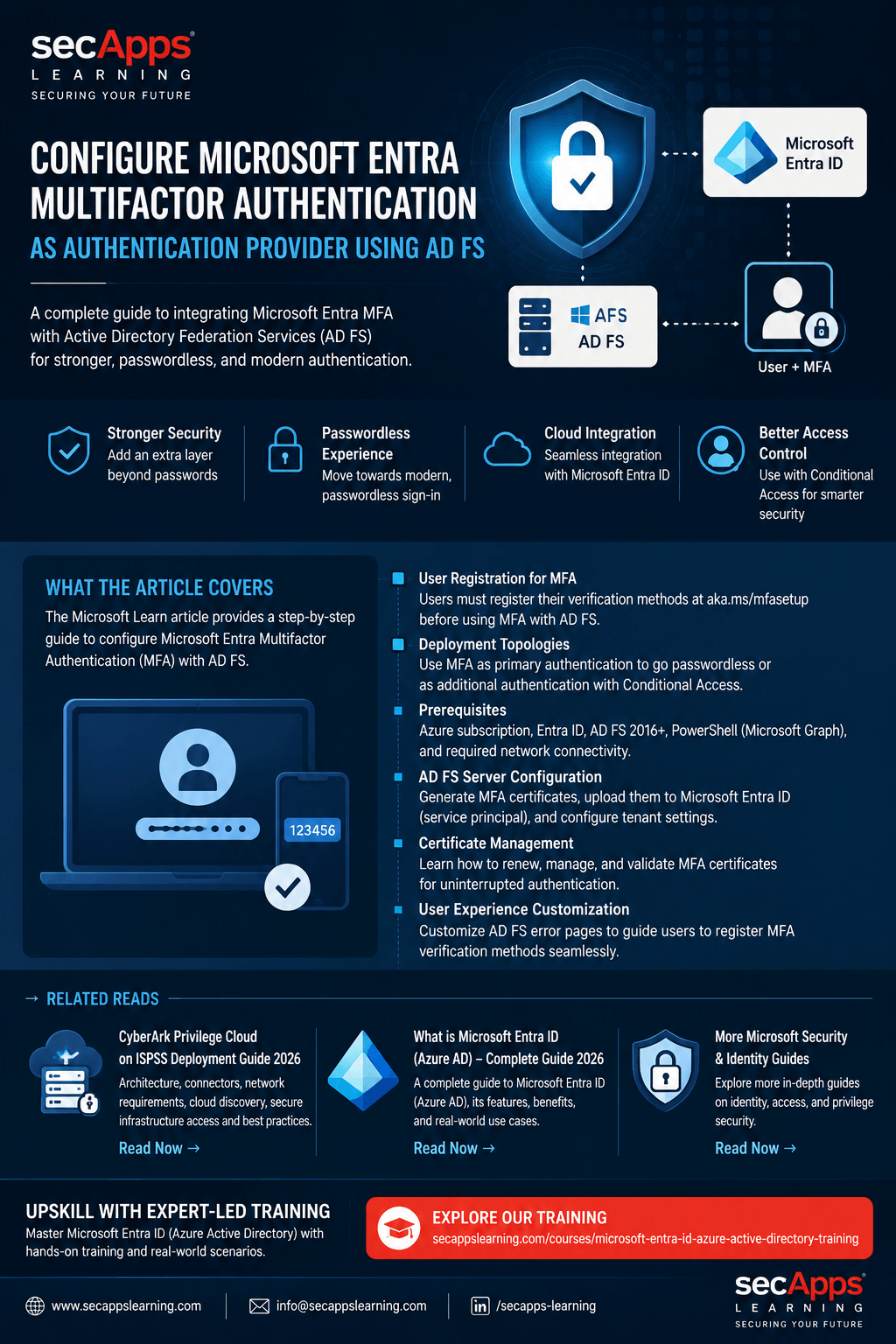 August 28 2026
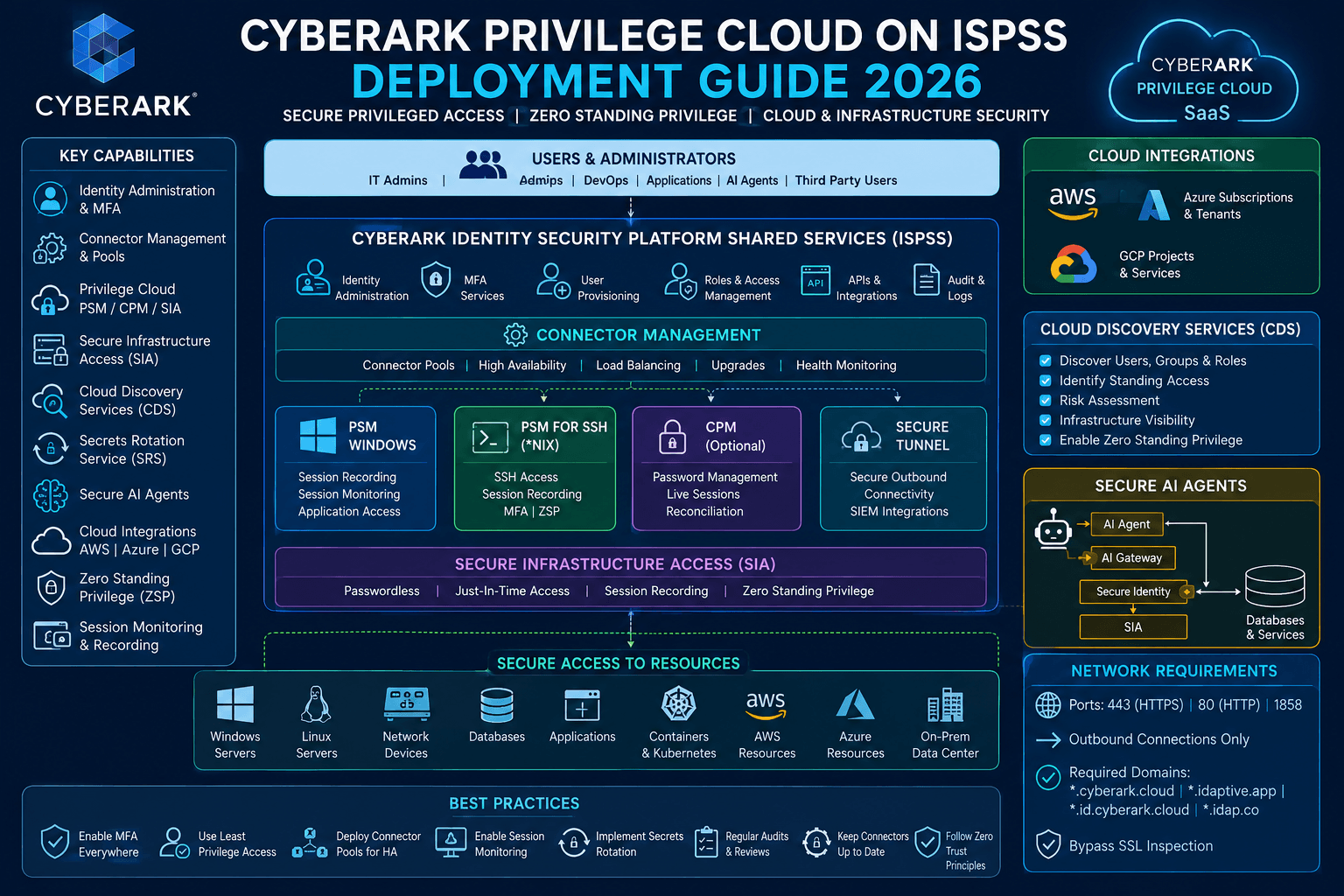 July 26 2026
 Explained Architecture, Plugins, Connector Management, Hardening and Complete Credential Rotation Guide (2026).png) July 24 2026
July 24 2026
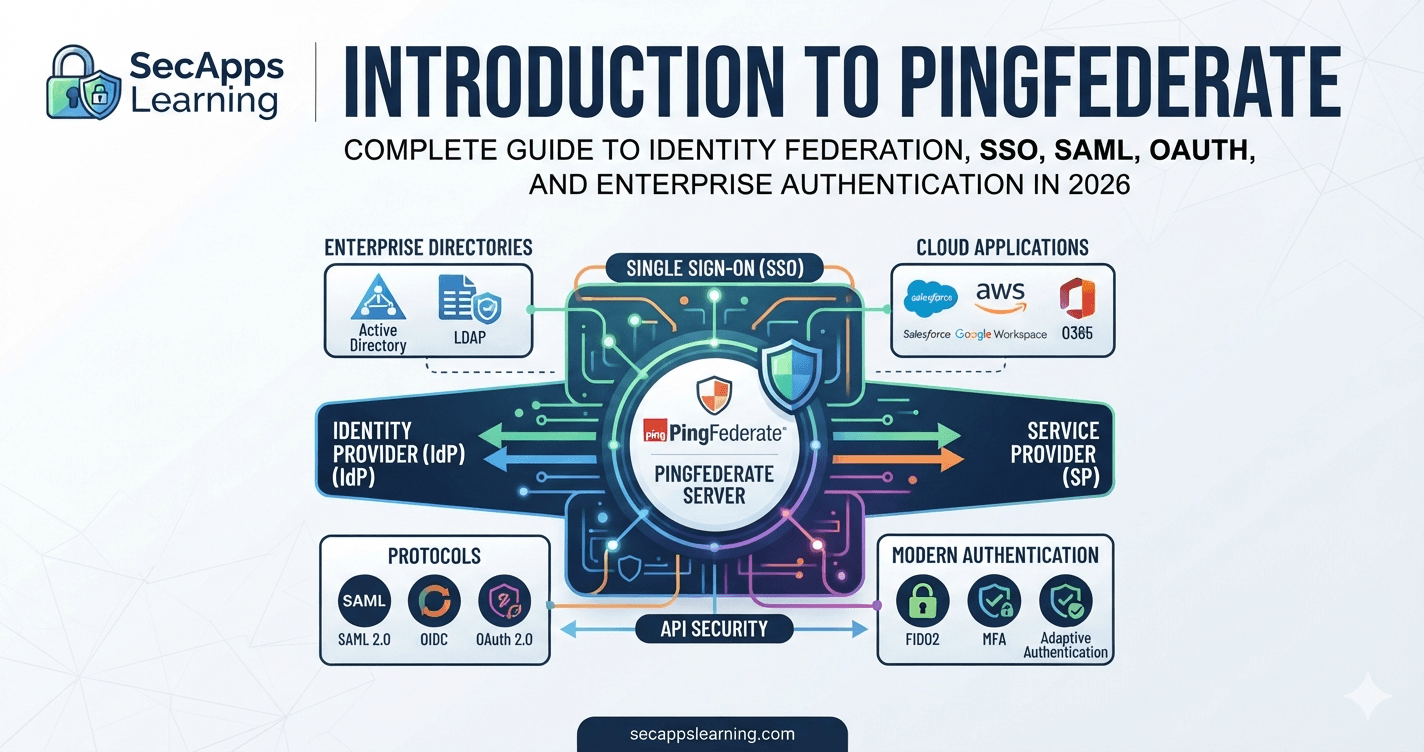 July 24 2026
.png) July 17 2026
July 17 2026
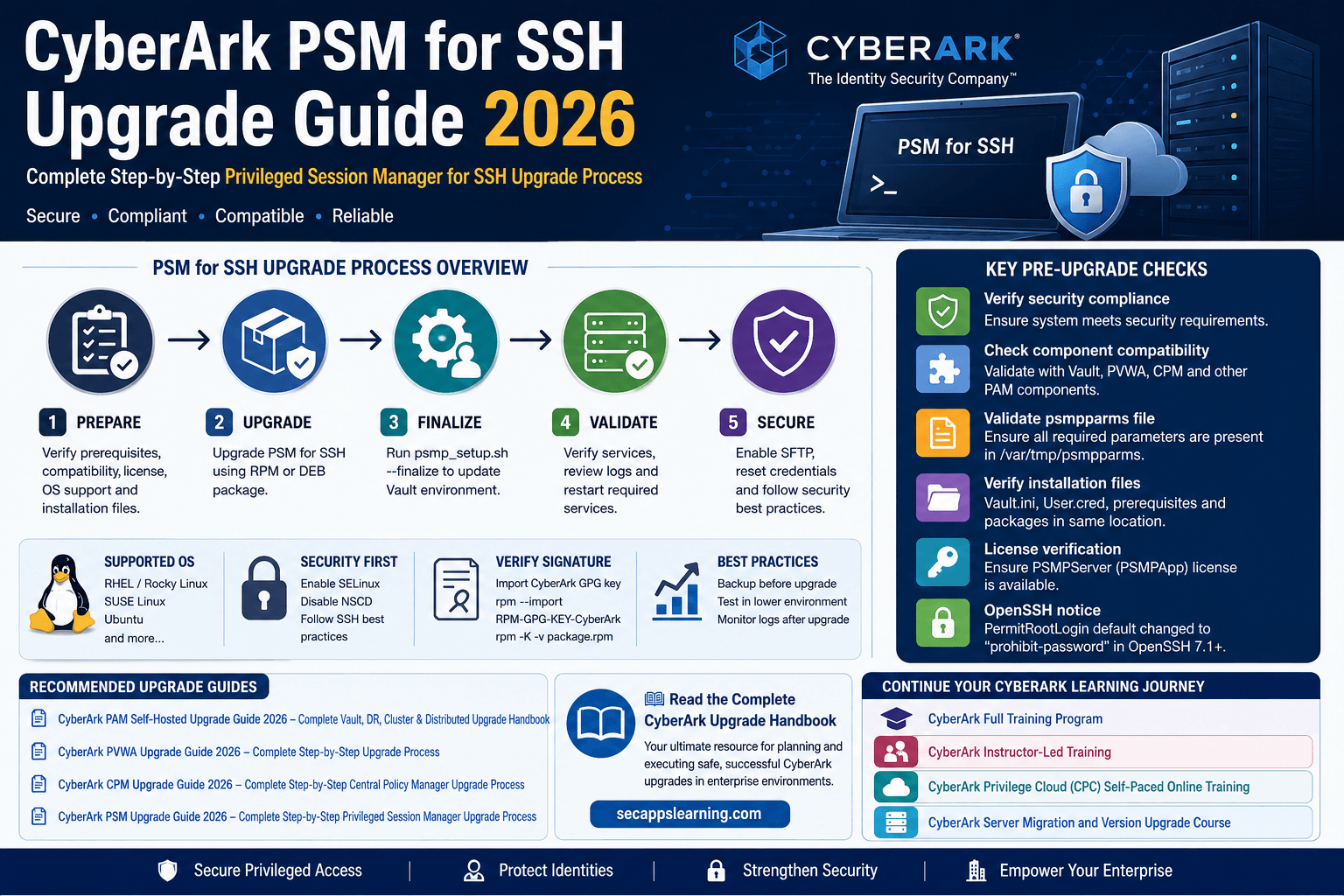 July 16 2026
 July 10 2026
 July 09 2026
 July 05 2026
 — Complete Vault, DR, Cluster & Distributed Upgrade Handbook-.png) July 03 2026
July 03 2026
 vs Central Credential Provider (CCP) Complete Guide to Installation, Architecture, Licensing, SDKs, ASCP & Best Practices (2026)-.png) July 01 2026
June 30 2026
July 01 2026
June 30 2026
 June 25 2026
 June 24 2026
.png) June 10 2026
June 10 2026
 June 09 2026
 – Complete Architecture, Deployment, HA, DR & Best Practices Guide 2026.png) June 06 2026
June 06 2026
 Certification Guide 2026 by SL.png) June 04 2026
June 04 2026
 Complete Guide 2026 – Identity Protection, Identity Threat Detection, AI-Powered Security Monitoring, Response Playbooks, and ISI Migration.png) June 02 2026
June 02 2026
 May 30 2026
 Complete Guide – Architecture, Security, User Provisioning & Identity Governance.png) May 29 2026
May 29 2026
 Complete Guide – IdentityIQ, Identity Security Cloud (ISC), Certification, Architecture & Career Roadmap.png) May 27 2026
May 27 2026
 Complete Getting Started Guide – Architecture, Configuration & Real-World Implementation.png) May 26 2026
May 26 2026
 – Complete Comparison 2026.png) May 24 2026
May 24 2026
 May 22 2026
 May 21 2026
 vs Privileged Session Manager (PSM) Complete 2026 Guide.png) May 20 2026
May 20 2026
 May 19 2026
.png) May 18 2026
May 18 2026
.png) May 17 2026
May 17 2026
 The Complete Beginner to Advanced Guide to Ethical Hacking.png) May 15 2026
May 15 2026
 May 15 2026
 May 14 2026
 by SecApps Learning.png) May 14 2026
May 14 2026
 May 13 2026
 (1).png) May 12 2026
May 12 2026
.png) May 11 2026
May 11 2026
 May 10 2026
 May 10 2026
 May 08 2026
.png) May 07 2026
May 07 2026
.png) May 06 2026
May 06 2026
.png) May 06 2026
May 06 2026
 Complete Guide (2026).png) May 05 2026
May 05 2026
.png) May 05 2026
May 05 2026
 (1).png) May 04 2026
May 04 2026
.png) May 03 2026
May 03 2026
.png) May 01 2026
May 01 2026
.png) May 01 2026
May 01 2026
.png) April 30 2026
April 30 2026
.png) April 29 2026
April 29 2026
.png) April 28 2026
April 28 2026
.png) April 27 2026
April 27 2026
 System Health, Safe Management, Platform & Master Policy Explained.png) April 26 2026
April 26 2026
 April 20 2026
.png) April 19 2026
April 19 2026
.png) April 17 2026
April 17 2026
.png) April 16 2026
April 16 2026
.png) April 15 2026
April 15 2026
 April 14 2026
 April 10 2026
 April 09 2026
 April 08 2026
 April 07 2026
 July 31 2025
 May 01 2026
 December 26 2024
 December 15 2024
.jpeg) December 08 2024
December 08 2024
 May 01 2026
 October 29 2024
 October 19 2024
 October 15 2024
 October 07 2024
 September 30 2024
 September 23 2024
 September 16 2024
 May 04 2026
 August 27 2024
 August 27 2024
 August 21 2024
 August 19 2024
 May 01 2026
 May 10 2024
 May 08 2024
 May 01 2026
 April 30 2024
.jpg) April 29 2024
April 29 2024
 April 25 2024
 April 22 2024
 April 12 2024
 April 05 2024
 March 30 2024
 May 01 2026
 March 27 2024
 March 27 2024
 March 11 2024
 March 07 2024
 February 29 2024
.jpg) May 01 2026
May 01 2026
 January 24 2024
 January 20 2024
 January 20 2024
 January 20 2024
 January 20 2024
 January 03 2024
 January 03 2024
 January 03 2024
 January 03 2024
Copyright 2022 SecApps Learning. All Right Reserved

Comments ()