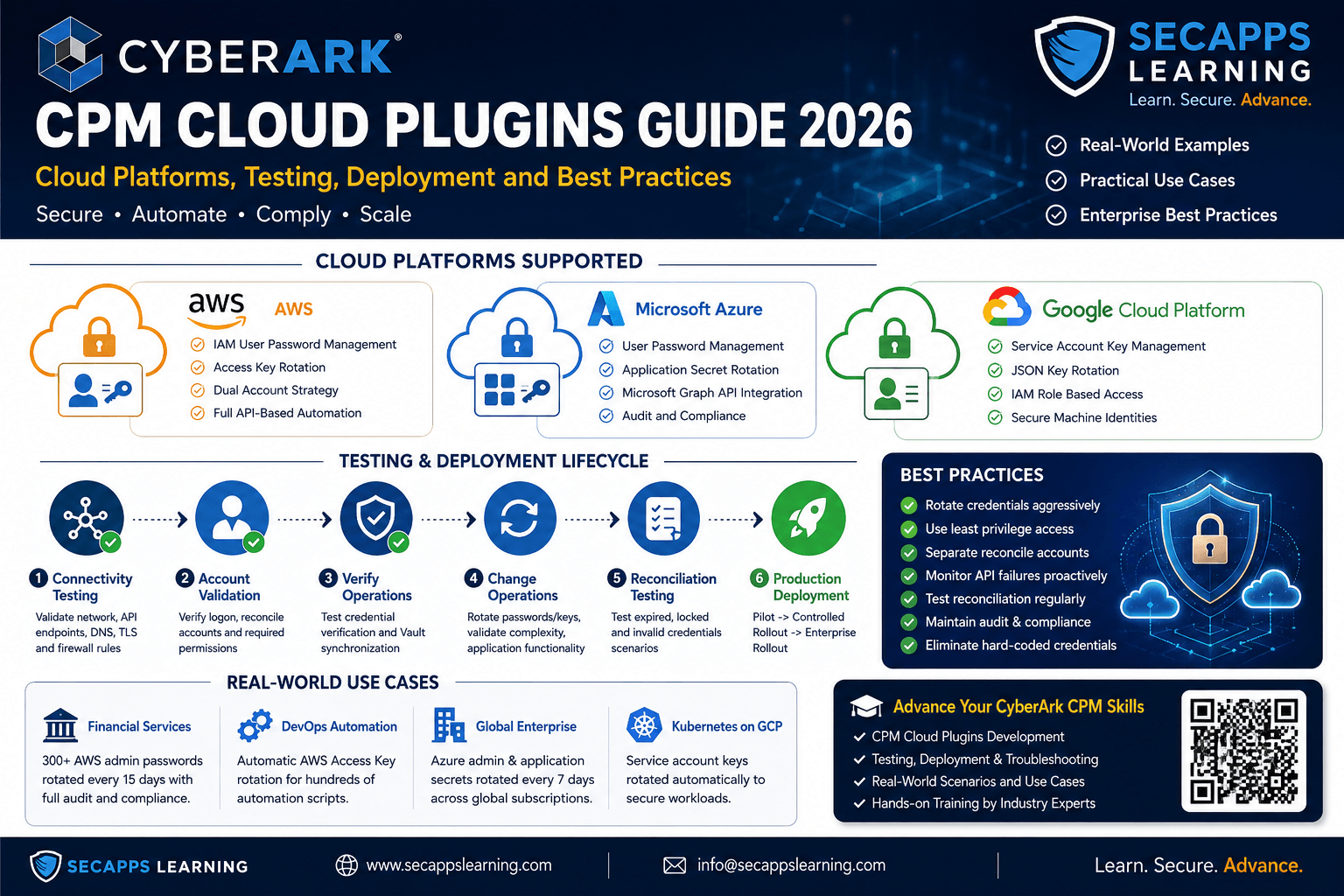
Cloud adoption has fundamentally changed how organizations manage privileged credentials. Traditional password management was primarily focused on Windows servers, Unix systems, databases, and network devices. Today, enterprises manage thousands of cloud identities, application secrets, API keys, service accounts, access keys, and machine credentials across multiple cloud providers.
As organizations continue moving workloads to cloud environments, securing these credentials has become a critical component of any Privileged Access Management (PAM) strategy.
CyberArk Central Policy Manager (CPM) plays a crucial role in this transformation by providing automated credential lifecycle management for cloud-native identities across Amazon Web Services (AWS), Microsoft Azure, and Google Cloud Platform (GCP).
Unlike traditional CPM plugins that often rely on SSH, RDP, Telnet, ODBC, or browser-based interactions, cloud plugins primarily use REST APIs to securely manage passwords, access keys, secrets, and service account credentials.
This guide explores CyberArk CPM cloud plugins in detail, including AWS IAM User Management, AWS Access Keys, Azure Password Management, Azure Application Keys, GCP Service Account Keys, testing methodologies, deployment strategies, enterprise use cases, and operational best practices for 2026.
Cloud environments introduce security challenges that do not exist in traditional infrastructure.
A Windows administrator password might change every 30 days, but cloud environments often contain:
◻ Long-lived API keys
◻ Service account credentials
◻ Application secrets
◻ OAuth tokens
◻ Cloud administrator accounts
◻ CI/CD pipeline credentials
◻ Kubernetes secrets
◻ Machine identities
Many organizations discover hundreds or thousands of unmanaged credentials during cloud security assessments.
The biggest challenge is that these credentials are frequently embedded into:
◻ Applications
◻ Automation scripts
◻ Infrastructure-as-Code templates
◻ DevOps pipelines
◻ Third-party integrations
◻ Container platforms
If a compromised credential remains active for months or years, attackers can maintain persistence without detection.
CyberArk CPM helps eliminate this risk through automated credential rotation and lifecycle management.
CyberArk Cloud CPM Plugins use API-driven automation instead of traditional interactive login methods.
The plugin communicates directly with the cloud provider API to:
◻ Verify credentials
◻ Rotate passwords
◻ Generate new keys
◻ Reconcile accounts
◻ Update credentials inside CyberArk Vault
◻ Maintain audit records
Because the communication is API-based, cloud plugins are generally:
◻ Faster
◻ More reliable
◻ Easier to troubleshoot
◻ Less dependent on UI changes
◻ More scalable
This architecture makes them ideal for enterprise cloud environments.
Amazon Web Services remains one of the most widely used cloud platforms globally.
Organizations frequently manage:
◻ Cloud administrators
◻ Security administrators
◻ DevOps engineers
◻ Operations teams
◻ Application support users
Each IAM user account requires password lifecycle management.
CyberArk's AWS Password Management Plugin automates this process using AWS APIs.
Consider a banking organization managing 300 AWS administrators.
The security policy requires:
◻ Password rotation every 15 days
◻ Complexity enforcement
◻ Audit logging
◻ Password history validation
Without CyberArk, administrators manually change passwords and update documentation.
This process creates:
◻ Human error
◻ Password reuse
◻ Compliance violations
◻ Audit gaps
CyberArk automates the entire workflow.
CPM generates a compliant password, updates AWS through APIs, stores the new credential in the Vault, and records the activity for auditors.
No manual intervention is required.
The process generally follows these steps:
◻ CPM retrieves the account
◻ Plugin authenticates using configured credentials
◻ New password is generated
◻ Password is updated via AWS API
◻ CyberArk verifies the change
◻ Vault is updated
◻ Audit records are generated
This entire operation typically completes within seconds.
One of the most overlooked security risks in cloud environments is unmanaged access keys.
Many organizations create access keys during application deployment and never rotate them again.
These keys often remain active for years.
A company hosts hundreds of automation scripts that interact with AWS services.
Each application uses:
◻ Access Key ID
◻ Secret Access Key
If a key becomes compromised:
◻ S3 buckets may be exposed
◻ EC2 instances may be manipulated
◻ Cloud resources may be deleted
◻ Sensitive data may be extracted
CyberArk Access Key Management solves this problem.
The plugin automatically creates a new key, updates the Vault, validates functionality, and retires the old key.
A common challenge is application downtime during key rotation.
Many organizations implement a dual-account model.
Account A remains active while Account B is rotated.
After validation:
◻ Applications switch to Account B
◻ Account A becomes inactive
◻ Future rotations occur on Account A
This strategy eliminates service interruptions.
Microsoft Azure introduces unique challenges because of Microsoft Entra ID integration and MFA requirements.
CyberArk addresses these challenges through dedicated Azure CPM plugins.
The plugin supports:
◻ User password verification
◻ Password rotation
◻ Password reconciliation
◻ Administrative account management
◻ Compliance reporting
A multinational company manages:
◻ Azure administrators
◻ Cloud engineers
◻ Security teams
◻ Application operators
The organization requires all privileged credentials to rotate every 7 days.
Manual rotation would consume hundreds of administrative hours monthly.
CyberArk automates the entire process.
Passwords are rotated through Microsoft Graph APIs while maintaining complete auditability.
Modern Azure environments heavily rely on Application Registrations.
These applications often contain secrets that allow access to:
◻ APIs
◻ Microsoft 365
◻ Azure resources
◻ Third-party systems
Unfortunately, application secrets are frequently forgotten after deployment.
An application secret is configured with a five-year expiration period.
The application owner leaves the organization.
No one remembers the credential exists.
An attacker discovers the secret in source code and gains access to production resources.
This is one of the most common cloud identity risks.
CyberArk eliminates this problem by continuously rotating application secrets.
The plugin:
◻ Locates the application
◻ Generates a new secret
◻ Updates Azure
◻ Stores the new secret in the Vault
◻ Removes obsolete secrets
◻ Maintains audit records
This significantly reduces credential exposure.
Google Cloud Platform environments rely heavily on Service Accounts.
Unlike traditional user accounts, Service Accounts are machine identities.
They commonly authenticate using JSON key files.
Service account keys are often:
◻ Downloaded locally
◻ Shared among teams
◻ Stored in repositories
◻ Embedded into applications
◻ Forgotten after deployment
A single exposed key can provide broad access to cloud resources.
A company operates Kubernetes workloads in GCP.
Applications authenticate using service account keys.
The security team discovers several keys are more than two years old.
CyberArk is deployed to:
◻ Rotate keys automatically
◻ Generate new JSON keys
◻ Store credentials securely
◻ Remove obsolete keys
◻ Maintain compliance evidence
The result is a dramatically improved security posture.
One of the biggest mistakes organizations make is deploying cloud plugins directly into production.
A structured testing approach is essential.
Before onboarding accounts:
◻ Verify network connectivity
◻ Validate API endpoints
◻ Confirm DNS resolution
◻ Verify firewall rules
◻ Test TLS connectivity
Many deployment failures occur because connectivity validation is skipped.
Validate permissions assigned to:
◻ Logon accounts
◻ Reconcile accounts
◻ Service accounts
◻ API identities
Missing permissions are among the most common implementation issues.
Execute password verification repeatedly.
Confirm:
◻ Successful authentication
◻ Correct API responses
◻ Vault synchronization
◻ Error handling
This establishes baseline functionality.
Password rotation testing should validate:
◻ Password complexity
◻ Password storage
◻ Synchronization
◻ Application functionality
◻ Audit records
A successful password change does not automatically mean applications continue functioning.
Dependency validation is critical.
Organizations often ignore reconciliation testing until an incident occurs.
This is a mistake.
Test:
◻ Expired credentials
◻ Locked accounts
◻ Invalid passwords
◻ Failed authentication scenarios
Reconciliation should be validated before production deployment.
Successful enterprises follow phased deployments.
Begin with:
◻ Non-production accounts
◻ Test subscriptions
◻ Sandbox projects
◻ Development environments
This minimizes operational risk.
Gradually expand to:
◻ Shared services
◻ Infrastructure teams
◻ Operations groups
◻ Production workloads
Avoid onboarding thousands of accounts simultaneously.
After successful validation:
◻ Deploy across business units
◻ Standardize platforms
◻ Enforce password policies
◻ Establish monitoring
◻ Implement reporting
This creates a repeatable operating model.
Cloud plugins are generally easier to troubleshoot than web-based plugins because API responses are more predictable.
However, issues still occur.
Common causes include:
◻ Incorrect credentials
◻ Expired secrets
◻ MFA restrictions
◻ Invalid tokens
◻ Account lockouts
Review CPM logs and cloud audit logs together.
Many failures occur because required permissions are missing.
Examples include:
◻ Missing AWS IAM rights
◻ Missing Azure Graph permissions
◻ Missing GCP IAM roles
Always validate permissions before troubleshooting plugin logic.
Large enterprises may trigger API throttling.
Common symptoms include:
◻ Random failures
◻ Delayed responses
◻ Timeout errors
Organizations should stagger rotations across maintenance windows.
Organizations with mature CyberArk implementations consistently follow several operational practices.
◻ Separate privileged and non-privileged identities
◻ Rotate credentials aggressively
◻ Use dedicated reconcile accounts
◻ Implement least privilege permissions
◻ Test reconciliation quarterly
◻ Monitor API failures proactively
◻ Maintain deployment documentation
◻ Review cloud audit logs regularly
◻ Eliminate hard-coded credentials
◻ Integrate with SIEM platforms
These practices significantly improve both security and operational stability.
The cloud identity landscape continues evolving rapidly.
Over the next several years, organizations will increasingly focus on:
◻ Machine identity security
◻ Secretless authentication
◻ Workload identities
◻ Cloud-native credential management
◻ Just-In-Time access
◻ Identity threat detection
◻ Automated risk remediation
CyberArk CPM will continue serving as a critical component for credential lifecycle management while integrating more deeply with modern identity security architectures.
CyberArk CPM Cloud Plugins provide organizations with a scalable and secure method for managing cloud credentials across AWS, Azure, and Google Cloud Platform. Whether rotating AWS IAM passwords, managing access keys, securing Azure application secrets, or controlling GCP service account keys, automated credential management dramatically reduces risk while improving compliance and operational efficiency.
Organizations that combine proper testing, phased deployment strategies, reconciliation validation, and cloud security best practices can build a highly resilient privileged access management program that protects both human and machine identities.
Master CPM Plugin Development, Web-Based Plugins, REST APIs, Password Rotation, Reconciliation, Plugin Troubleshooting, and Production Deployment.
Learn CyberArk from Beginner to Advanced level including Vault, CPM, PVWA, PSM, EPM, Identity Security, Integrations, and Real-World Implementations.
👉 Join Complete CyberArk Training
👉 CyberArk CPM Plugins Complete Guide 2026
👉 When to Create Custom C# CPM Plugins
Keywords: CyberArk Cloud Plugins, CyberArk AWS Plugin, CyberArk Azure Password Management, CyberArk GCP Service Account Plugin, CyberArk Access Key Rotation, CyberArk Cloud Credential Management, CyberArk CPM Cloud Platforms, CyberArk Azure Application Secret Rotation, CyberArk AWS IAM Password Rotation, CyberArk Cloud PAM 2026.
Your email address will not be published. Required fields are marked*
 August 28 2026
 July 26 2026
 Explained Architecture, Plugins, Connector Management, Hardening and Complete Credential Rotation Guide (2026).png) July 24 2026
July 24 2026
 July 24 2026
.png) July 17 2026
July 17 2026
 July 16 2026
 July 10 2026
 July 09 2026
 July 05 2026
 — Complete Vault, DR, Cluster & Distributed Upgrade Handbook-.png) July 03 2026
July 03 2026
 vs Central Credential Provider (CCP) Complete Guide to Installation, Architecture, Licensing, SDKs, ASCP & Best Practices (2026)-.png) July 01 2026
July 01 2026
.png) June 30 2026
June 25 2026
June 30 2026
June 25 2026
 June 24 2026
.png) June 10 2026
June 10 2026
 June 09 2026
 – Complete Architecture, Deployment, HA, DR & Best Practices Guide 2026.png) June 06 2026
June 06 2026
 Certification Guide 2026 by SL.png) June 04 2026
June 04 2026
 Complete Guide 2026 – Identity Protection, Identity Threat Detection, AI-Powered Security Monitoring, Response Playbooks, and ISI Migration.png) June 02 2026
June 02 2026
 May 30 2026
 Complete Guide – Architecture, Security, User Provisioning & Identity Governance.png) May 29 2026
May 29 2026
 Complete Guide – IdentityIQ, Identity Security Cloud (ISC), Certification, Architecture & Career Roadmap.png) May 27 2026
May 27 2026
 Complete Getting Started Guide – Architecture, Configuration & Real-World Implementation.png) May 26 2026
May 26 2026
 – Complete Comparison 2026.png) May 24 2026
May 24 2026
 May 22 2026
 May 21 2026
 vs Privileged Session Manager (PSM) Complete 2026 Guide.png) May 20 2026
May 20 2026
 May 19 2026
.png) May 18 2026
May 18 2026
.png) May 17 2026
May 17 2026
 The Complete Beginner to Advanced Guide to Ethical Hacking.png) May 15 2026
May 15 2026
 May 15 2026
 May 14 2026
 by SecApps Learning.png) May 14 2026
May 14 2026
 May 13 2026
 (1).png) May 12 2026
May 12 2026
.png) May 11 2026
May 11 2026
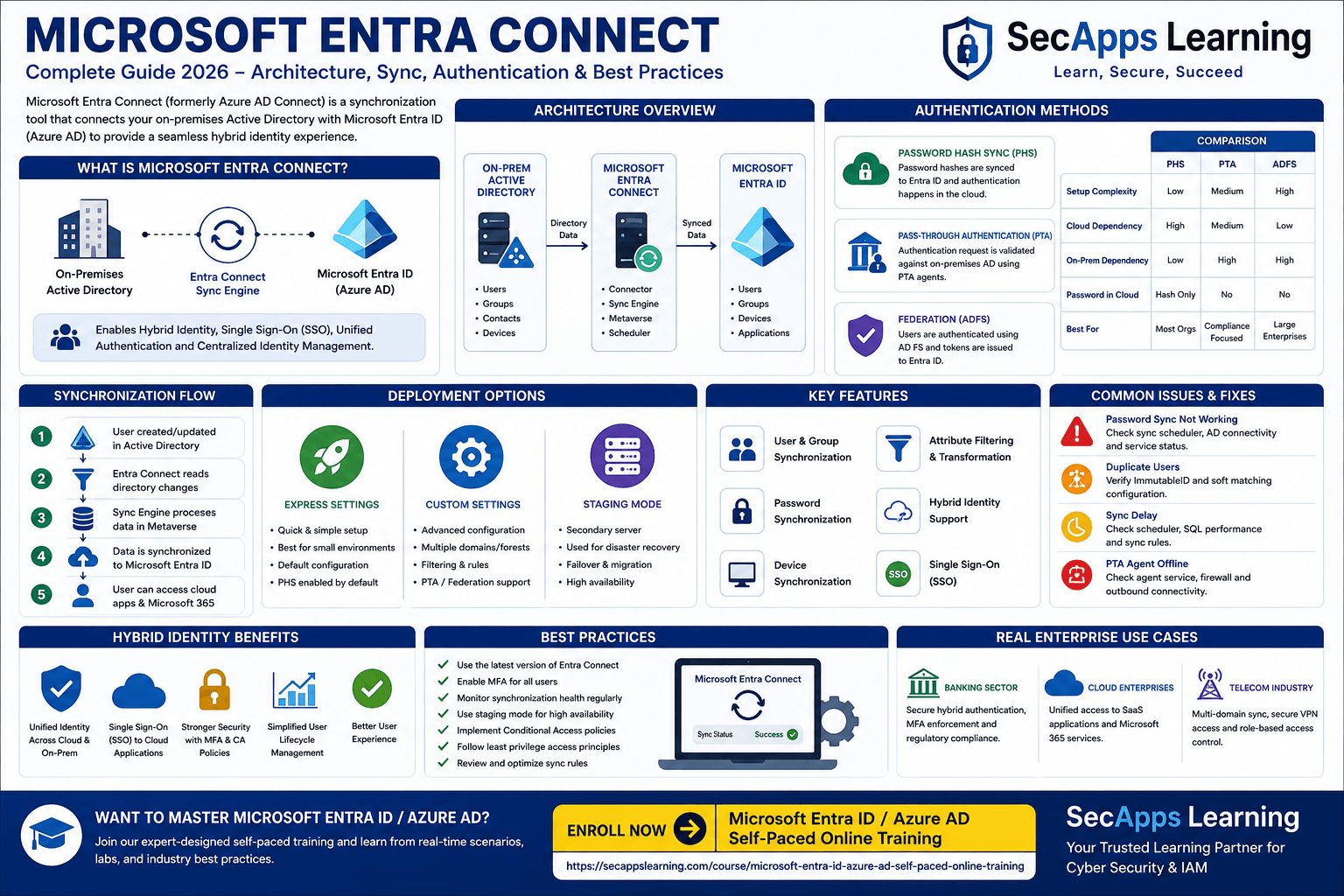 May 10 2026
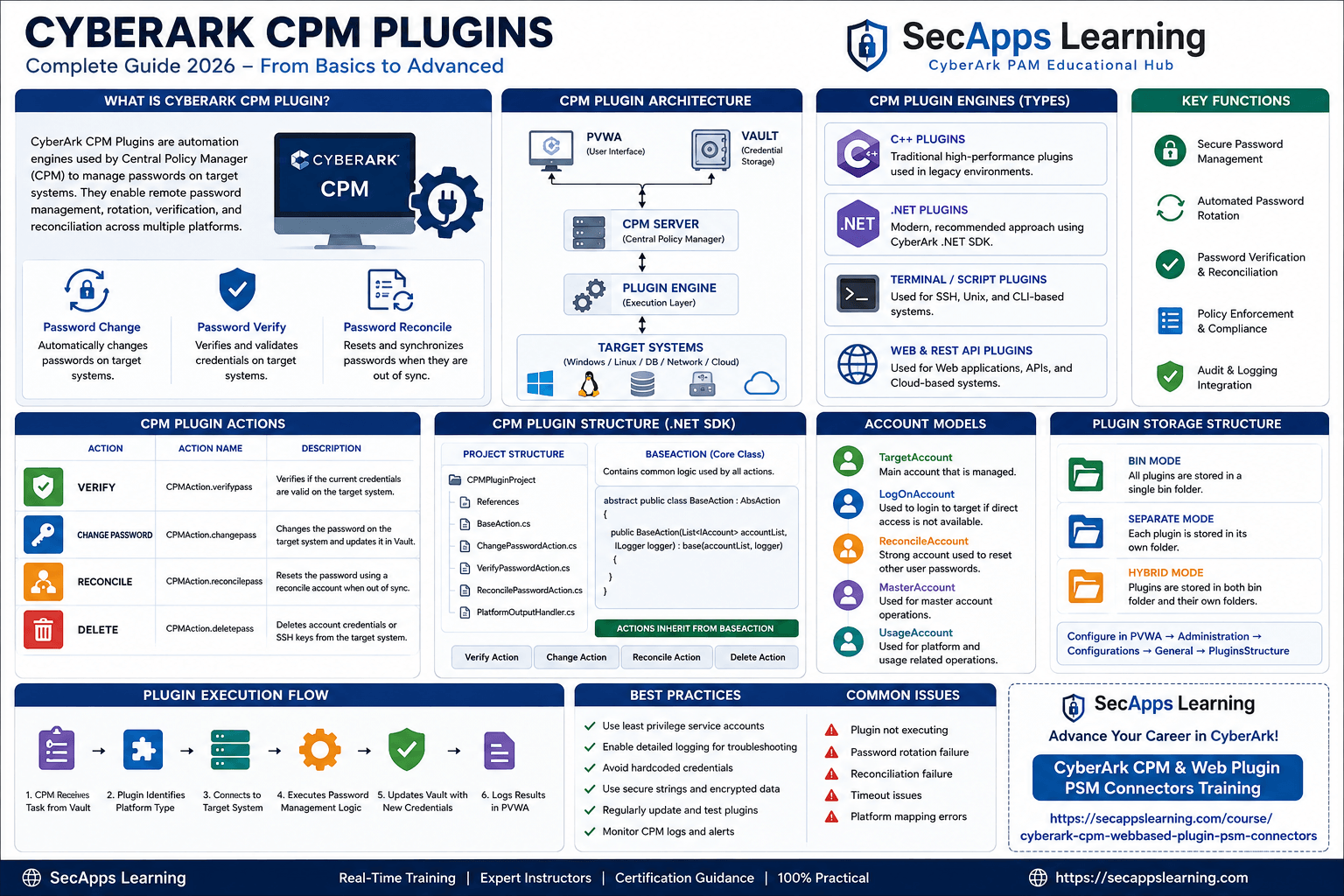 May 10 2026
 May 08 2026
.png) May 07 2026
May 07 2026
.png) May 06 2026
May 06 2026
.png) May 06 2026
May 06 2026
 Complete Guide (2026).png) May 05 2026
May 05 2026
.png) May 05 2026
May 05 2026
 (1).png) May 04 2026
May 04 2026
.png) May 03 2026
May 03 2026
.png) May 01 2026
May 01 2026
.png) May 01 2026
May 01 2026
.png) April 30 2026
April 30 2026
.png) April 29 2026
April 29 2026
.png) April 28 2026
April 28 2026
.png) April 27 2026
April 27 2026
 System Health, Safe Management, Platform & Master Policy Explained.png) April 26 2026
April 26 2026
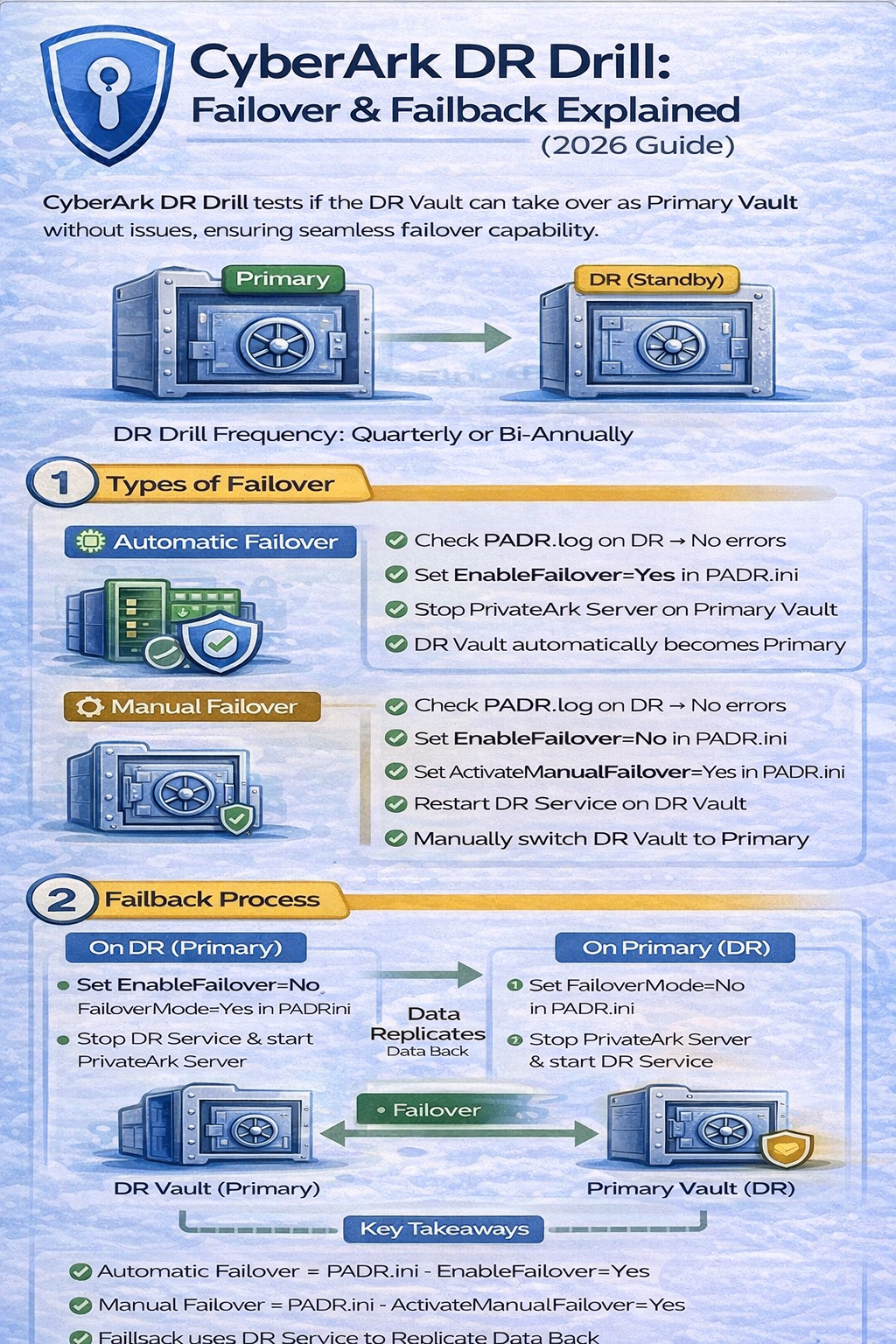 April 20 2026
.png) April 19 2026
April 19 2026
.png) April 17 2026
April 17 2026
.png) April 16 2026
April 16 2026
.png) April 15 2026
April 15 2026
 April 14 2026
 April 10 2026
 April 09 2026
 April 08 2026
 April 07 2026
 July 31 2025
 May 01 2026
 December 26 2024
 December 15 2024
.jpeg) December 08 2024
December 08 2024
 May 01 2026
 October 29 2024
 October 19 2024
 October 15 2024
 October 07 2024
 September 30 2024
 September 23 2024
 September 16 2024
 May 04 2026
 August 27 2024
 August 27 2024
 August 21 2024
 August 19 2024
 May 01 2026
 May 10 2024
 May 08 2024
 May 01 2026
 April 30 2024
.jpg) April 29 2024
April 29 2024
 April 25 2024
 April 22 2024
 April 12 2024
 April 05 2024
 March 30 2024
 May 01 2026
 March 27 2024
 March 27 2024
 March 11 2024
 March 07 2024
 February 29 2024
.jpg) May 01 2026
May 01 2026
 January 24 2024
 January 20 2024
 January 20 2024
 January 20 2024
 January 20 2024
 January 03 2024
 January 03 2024
 January 03 2024
 January 03 2024
Copyright 2022 SecApps Learning. All Right Reserved

Comments ()